If your mind feels noisy and traditional mindfulness feels hard to stick with, a mindful color walk can be a practical reset. The benefits of color walk practice are simple but meaningful: it can help you slow down, regulate stress, notice your surroundings, and reconnect with other people in a low-pressure way.
You don't need special gear. You don't need a perfect route. You just need a short walk and one clear prompt: notice color on purpose.
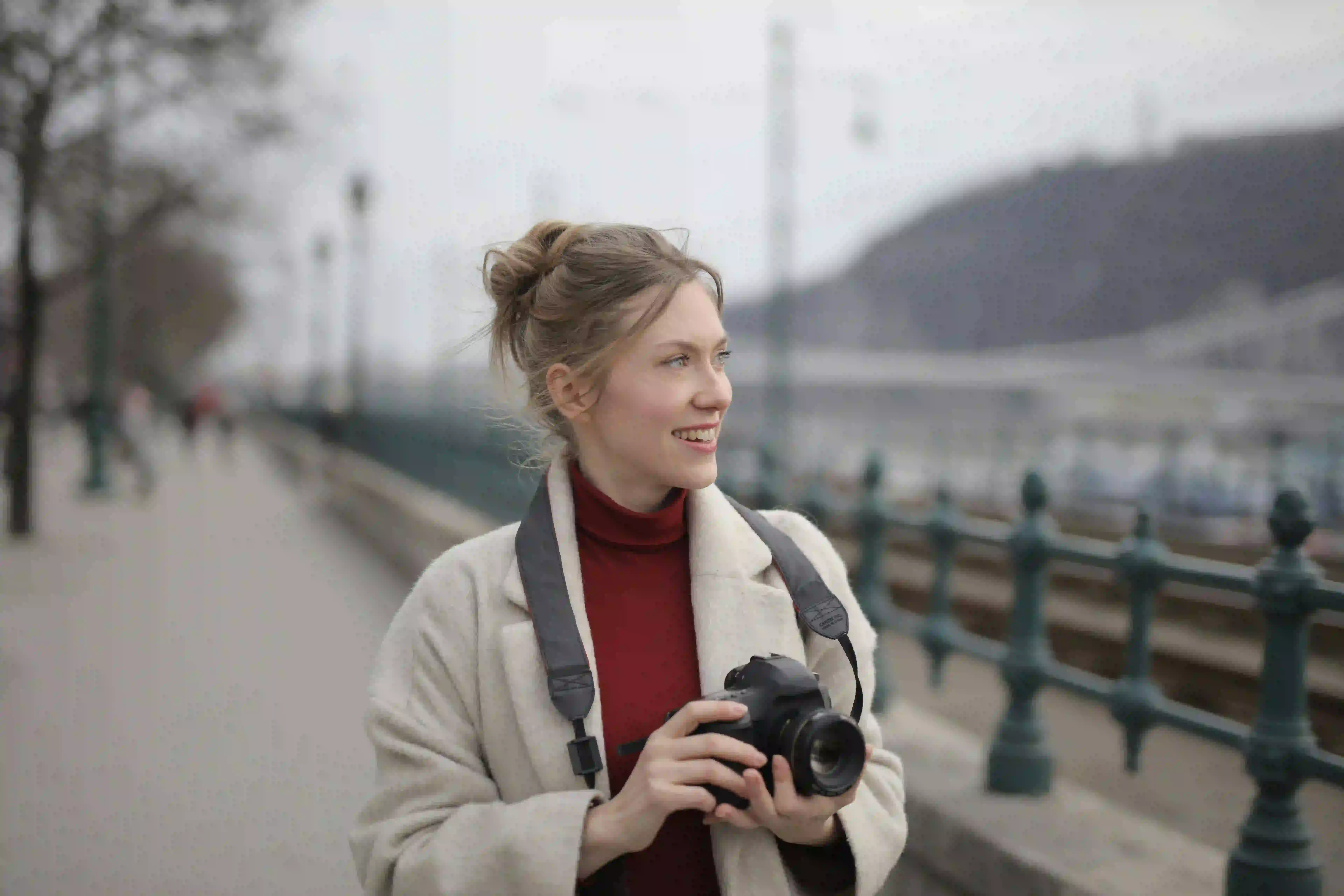
What is a mindful color walk?
A mindful color walk is a walk where you intentionally focus on color as your anchor. Instead of letting your mind jump between tasks, you keep bringing attention back to visual details: shades, contrast, texture, and patterns.
Think of it as mindfulness with training wheels. For many people, focusing on breath alone feels abstract. Focusing on color is concrete. It gives your attention something immediate to hold.
A normal walk can still be great, but your attention is usually scattered. A mindful color walk adds gentle structure, which is why people often report feeling more grounded after even a short session.
The mental and emotional benefits of color walk
1) It helps interrupt stress loops
When stress is high, attention narrows around worry. A color walk shifts that attention outward. You move from "What if?" thinking to "What do I see right now?"
That shift matters. Mindfulness research has shown small to moderate benefits for stress-related outcomes in many contexts, even though effects vary by person and setting. A color walk is one practical way to apply that principle in daily life.
2) It supports emotional regulation without forcing positivity
A useful part of this practice is that it doesn't ask you to fake a better mood. It asks you to notice.
You might start tense and end only slightly calmer. That's still progress. The act of observing color can create a little distance from spiraling thoughts, which often makes emotions feel more manageable.
3) It can lift mood through attention shift
Mood and environment are linked. Color-emotion research suggests associations exist, but they're context-dependent, not universal rules. In other words, there is no magical "one color fixes everything" formula.
Still, intentionally scanning for color can make your environment feel richer and less flat. That alone can increase a sense of aliveness, especially on days that feel repetitive.
Creativity benefits you can feel in real life
1) You train your noticing muscle
Creativity often starts with noticing what others skip. A mindful color walk trains exactly that.
You begin seeing small differences: five versions of green on one street, reflections in a window, color transitions on brick, paint wear on a doorframe. That kind of observation sharpens visual thinking.
2) You get unstuck faster
When people say "I have no ideas," they're often mentally overloaded, not empty. Color walks can help clear cognitive static.
By narrowing your task to one sensory channel, your brain gets a simpler input stream. That can make fresh associations easier to access, whether you're writing, designing, solving a work problem, or making everyday decisions.
3) You create low-pressure inspiration habits
A lot of creative routines fail because they feel heavy. Color walks stay light.
You can do five minutes before work, ten minutes at lunch, or a quick loop after dinner. Over time, these short sessions build a repeatable "idea reset" ritual that doesn't require motivation theater.
The social benefits of doing a color walk with friends
Color walks can work as a social practice, not just a solo one.

1) "One color per person" makes interaction easier
A simple format:
- Each person picks one color.
- Walk for 10-15 minutes and collect mental notes or photos.
- Regroup and share your top three finds.
This gives everyone a role. It also removes the pressure to "perform" in conversation.
2) Shared attention builds connection
People bond faster when they attend to something together. A group color walk creates that shared focus naturally.
Instead of small talk dead ends, you get concrete prompts: "Where did you find that shade?" "Why did that one stand out?" The conversation starts itself.
3) It's inclusive for different social energy levels
Some group activities are too intense for quiet or introverted people. A color walk allows silence and participation at the same time.
You can walk side by side without constant talking, then connect through observations at the end. That balance often feels safer and more genuine.
How to start in 10 minutes (quick version)
Since you wanted this section concise, here's the short version:
- Pick one color before you start.
- Walk slowly for 10 minutes.
- Find at least 10 examples of that color (different shades if possible).
- End with a one-minute check-in: "Do I feel different from when I started?"
For the full step-by-step guide, use this detailed walkthrough: How to Start a Color Walk
The bottom line
A mindful color walk is small, but useful. It can help you settle mental noise, improve emotional awareness, spark creativity, and create easy social connection when done with friends.
You don't need to overcomplicate it. Pick a color. Take a short walk. Notice more than usual. Then repeat when needed.
If you want ideas and prompts to keep the habit going, start here: The Color Walk
FAQ
Is a color walk the same as walking meditation?
Not exactly. They overlap, but the anchor is different. In walking meditation, attention often stays on breath, steps, or body sensations. In a color walk, your anchor is visual attention to color in the environment. That makes it easier for many beginners because the task is concrete. You can still bring in breath awareness, but color is the main focus.
Can I do a color walk in a city or indoors?
Yes. You don't need a park. Urban routes are full of color contrast: signs, walls, clothing, vehicles, reflections, and packaging. Indoors also works if weather or mobility is a factor. Try a hallway, market, office, or home space and focus on shades, surfaces, and light changes. The method is the same: deliberate visual attention.
What if I can’t feel any change after one walk?
That's normal. Many people notice subtle effects first: slightly slower breathing, less mental noise, or better focus for the next task. You don't need a dramatic emotional swing for the practice to be useful. Try three to five sessions before judging. Keep notes on mood, attention, and energy so you can spot gradual improvement over time.